Sie suchen einen Kameramann in der Schweiz für Film, Fernsehen, Werbung, Dokumentation, Corporate Video oder eine Live-Produktion? Auf cinematographers.ch finden Sie erfahrene Kameraprofis aus verschiedenen Regionen und Produktionsbereichen.
Je nach Projekt arbeiten Kameraleute als Einzeloperator, innerhalb eines kleinen Produktionsteams oder als Teil eines grösseren Camera Departments. Neben technischer Sicherheit spielen Bildgestaltung, Lichtverständnis, Erfahrung am Set und die Zusammenarbeit mit Regie und Produktion eine zentrale Rolle.
Cinematographers Schweiz Suisse Svizzera Svizra ist eine unabhängige Schweizer Plattform für professionelle Kameraschaffende. Produzent:innen, Produktionsfirmen, Agenturen, Unternehmen, Institutionen und Redaktionen können Profile nach Erfahrung, Spezialisierung und Standort durchsuchen und geeignete Fachleute direkt kontaktieren.
Kameraprofis auf cinematographers.ch arbeiten in der ganzen Schweiz. Für regionale Produktionen finden Sie unter anderem Kameramänner in Zürich, Kameramänner in Winterthur, Kameramänner in Uster, Kameramänner in Zug, Kameramänner in Luzern, Kameramänner in Bern, Kameramänner in Basel und Kameramänner in St. Gallen.
Für schweizweite Produktionen steht zusätzlich die Seite Kameramann Schweiz zur Verfügung. Die Profile zeigen unterschiedliche berufliche Schwerpunkte, Erfahrungen, Sprachen und technische Kompetenzen.
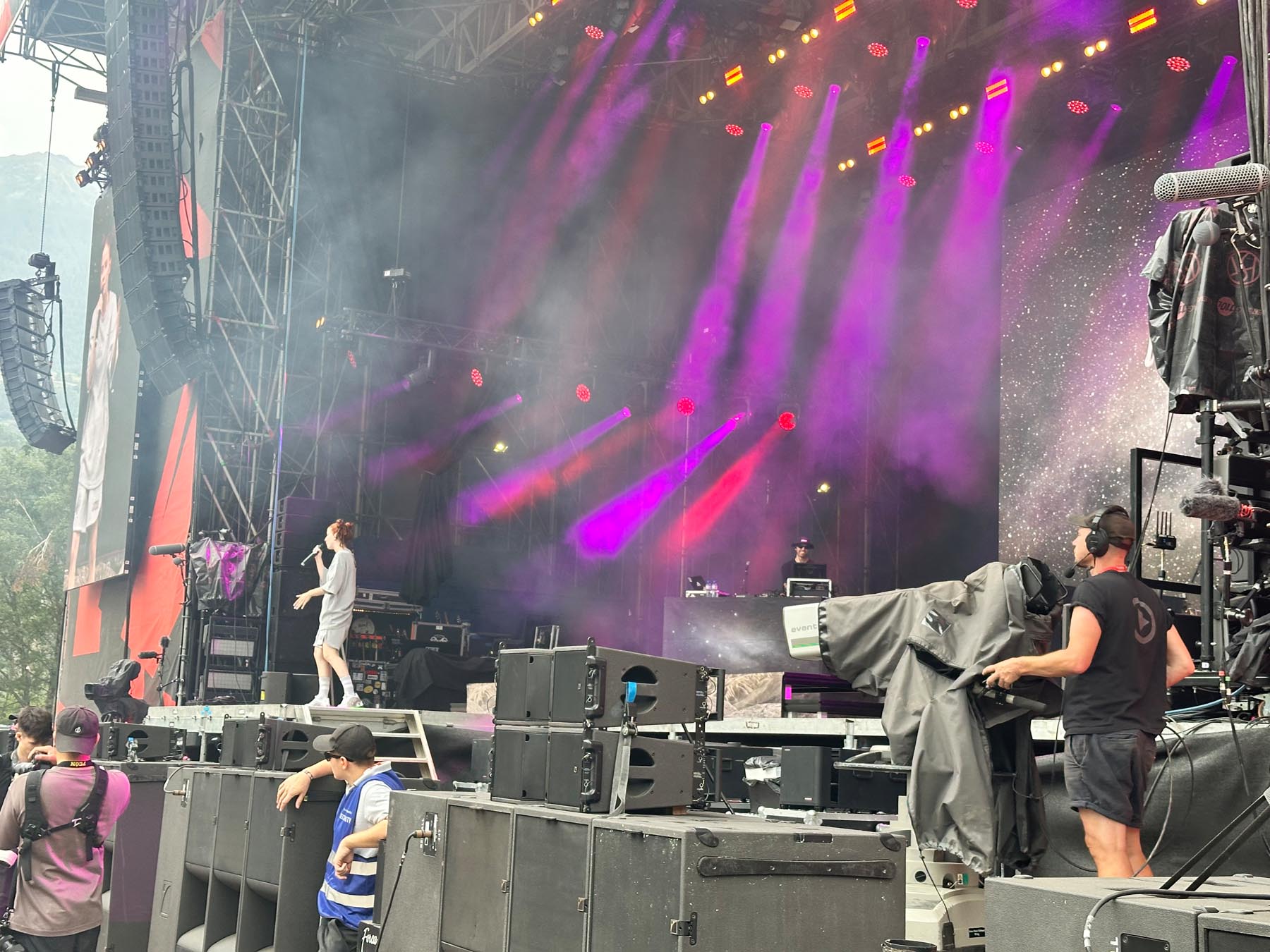
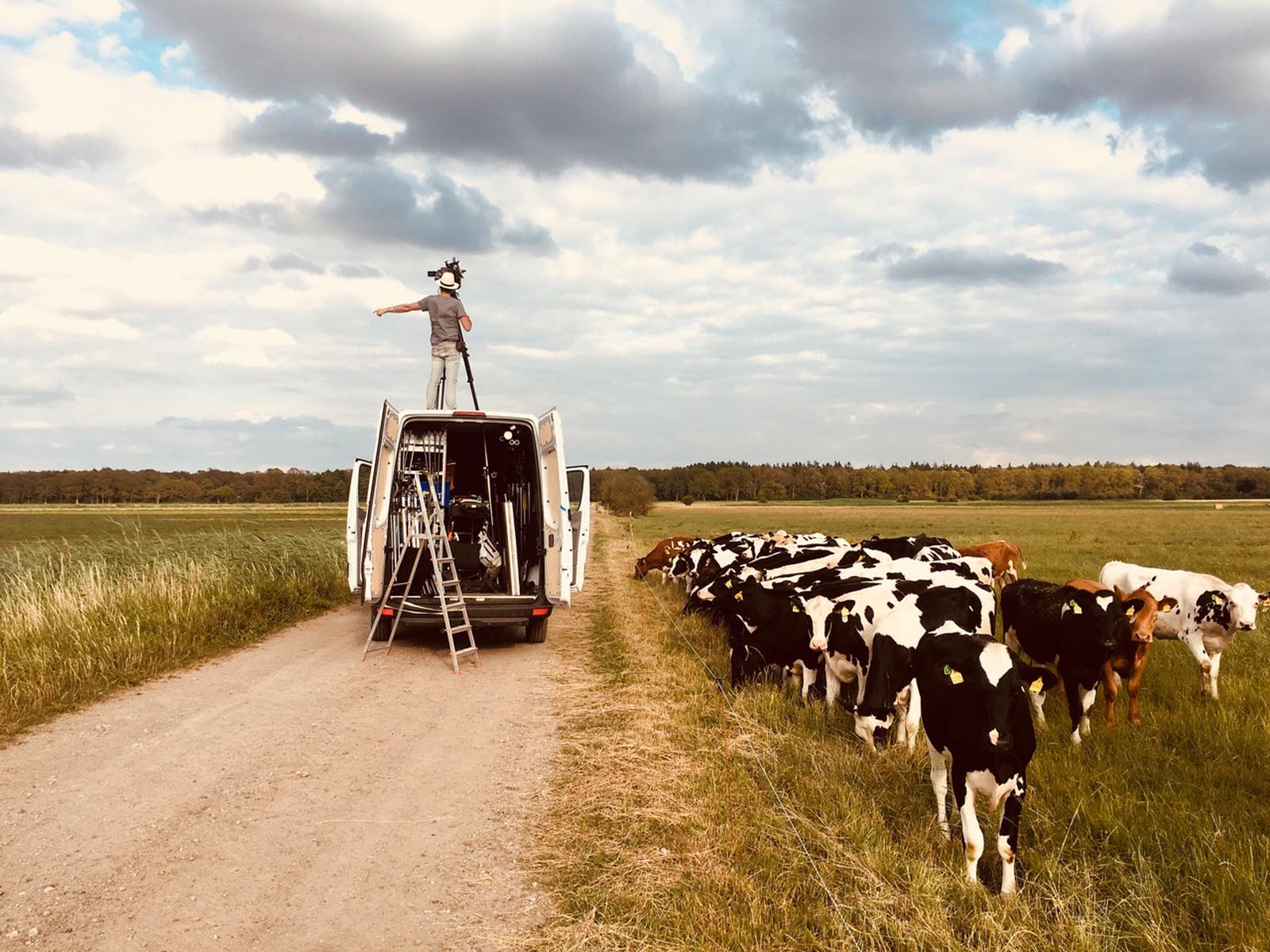
Die Anforderungen an einen Kameramann unterscheiden sich je nach Produktionsform erheblich. Dokumentarische Arbeiten verlangen häufig eine flexible und beobachtende Kamera, während Werbung oder szenische Produktionen stärker durch geplante Bildgestaltung und Licht geprägt sind. Bei Live-, Sport- und Multicam-Produktionen stehen zusätzlich Timing, Kommunikation und präzise Zusammenarbeit mit der Regie im Vordergrund.
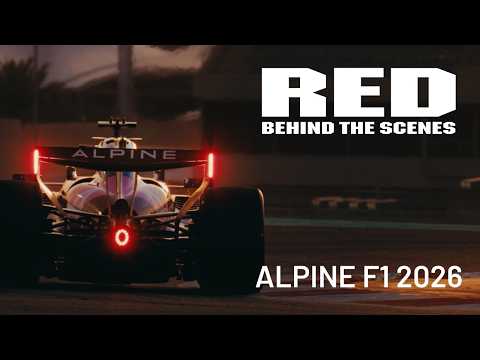
Take a look behind the scenes at the Alpine F1 Team as director Josh Ward, Head of Content Joe Jones, and their team create the reveal film for the team’s new F1 livery and corporate identity. With only eleven teams in the sport, the competition extends far beyond the racetrack. The annual launch offers an opportunity to set the tone for the season, showcase the team’s identity, and excite fans around the world. Josh walks us through the creative process behind the film—from bringing together Alpine’s road and race cars to developing a dynamic visual approach that keeps the new car under wraps until the final reveal. Shot on the RED KOMODO-X using Atlas Anamorphic lenses.
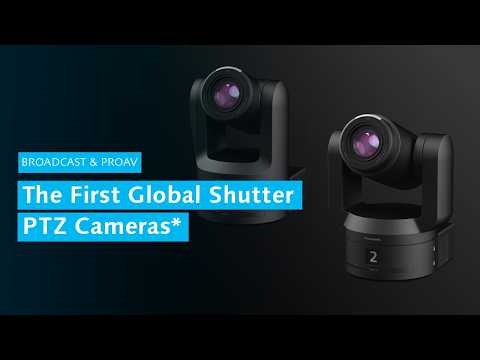
Meet The World’s First* Global Shutter PTZ Cameras: AW-UE200 and AW-UER200 Your new tool for outstanding performance in a variety of shooting scenarios: 🔹 Complete skew and flash band elimination 🔹 Reliable tracking of fast-moving subjects 🔹 Ultra high-speed pan-tilt movements, with maximum speed: 400°/sec and acceleration speed: 1800°/sec 🔹AW-UER200: A roll axis range of -200° to +200° and supports vertical (9:16) and horizontal (16:9) video output using full sensor.

Adrien Lallau’s mobile, location-based cinematography keeps Congo Boy close to the physical pressures of everyday life in Bangui. Handheld observation and shaped musical sequences appear to turn movement, light and proximity into extensions of Robert’s struggle for agency.
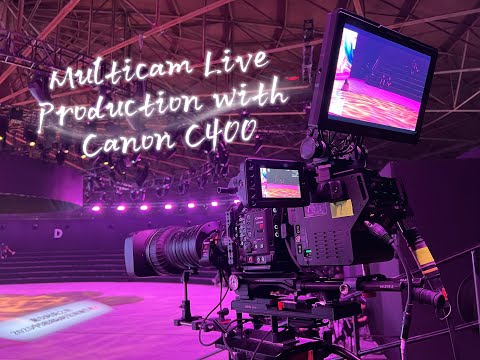
See how the 2025 China International Fashion Week achieved cinematic live production using a multicam system built with Canon C400 cameras and the INCAM IVCA-1200 Series solution.
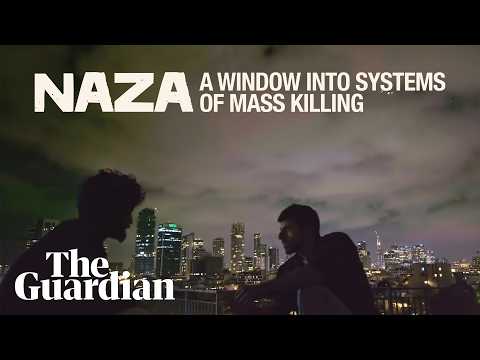
Filmed at night on the rooftops of Tel Aviv, NAZA is a haunting documentary exposing the machinery behind Israel’s military operations in Gaza. Through testimonies from Israeli soldiers and intelligence personnel, the film reveals disturbing realities of modern warfare. Its restrained cinematography, deep shadows and powerful use of silence transform investigative journalism into an unsettling cinematic experience.
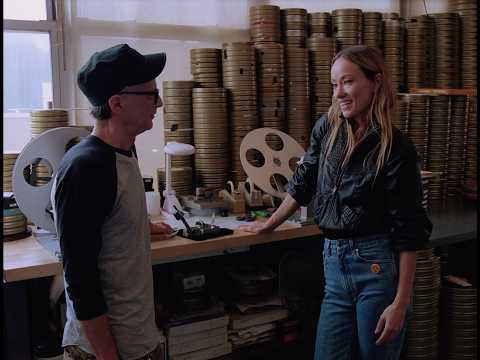
Lab Team: Mike Ramdeo, Todd Orblych, Bob Gonzales, Bert Torres, Will Gounaris, Mike Gharib

Shot on Film
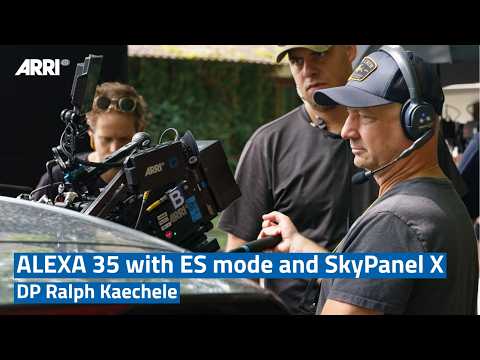
Cinematographer Ralph Kaechele looks back on the shoot for the German-Austrian miniseries *Hundertdreizehn* (produced for ARD) — a drama centering on the various lives intertwined by a serious accident. While he continued to use the ALEXA Mini LF for the dramatic scenes, the night-time exterior shots—filmed on a dark, roughly 800-meter stretch of highway—called for the ALEXA 35 in ES (Enhanced Sensitivity) mode. This resulted in clear images featuring rich colors and highly detailed flames. Kaechele also discusses why ARRI Rental’s ALFA anamorphic lenses were so well-suited to a story told through faces, how he used SkyPanel X fixtures to simulate the glow of the fire behind the wrecked vehicles, how he matched LogC3 and LogC4 during the grading process, and much more.
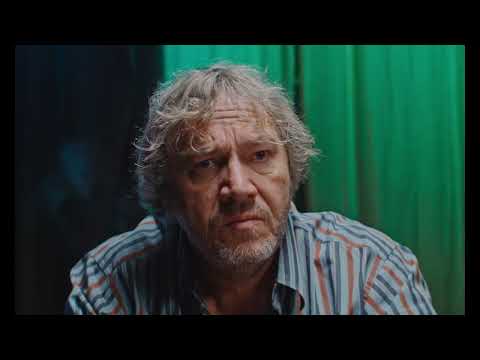
Claude Schmitz’s The Other Laurens (2023) follows a weary private detective drawn into the mystery surrounding his twin brother’s death. Its combination of family ghosts and noir intrigue provides an intriguing setting for cinematographer Florian Berutti’s unusual choice of equipment. Berutti shot the film on an Ikonoskop A-Cam DII, paired with a Cooke 10–30mm T1.6 zoom and LOMO Super Speed lenses—a distinctive package for a feature selected for Cannes’ Directors’ Fortnight. The camera and lens selection alone makes this a particularly interesting film for anyone curious about alternative approaches to digital cinematography. What interests me most is the creative confidence behind this equipment choice. An unconventional camera and older lenses can still form a compelling visual language when they serve a coherent idea. The Other Laurens offers a fascinating starting point for thinking about how the tools we choose shape the worlds we put on screen.

A fascinating and highly insightful Kodak article on the cinematography of Christopher Nolan’s The Odyssey. Cinematographer Hoyte van Hoytema shares remarkable technical details about shooting entirely on 65mm IMAX film, including specially developed camera housings, lenses, lighting techniques and photochemical color grading. A particularly interesting read for cinematographers and film enthusiasts.
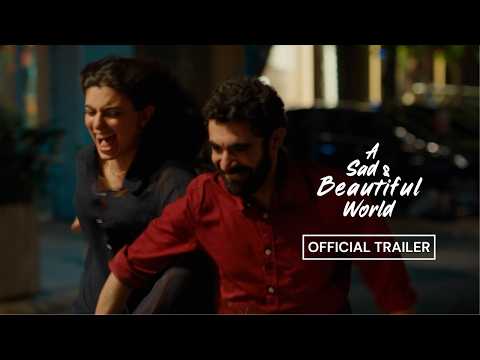
A Sad and Beautiful World lets Beirut’s changing social fabric reshape the image itself. Joe Saade’s cinematography moves from crowded, fluid compositions towards colder colours, emptier spaces and static wides, turning the gradual loss of visual energy into part of the narrative.

A small tribute to a brilliant camera concept and its creator, Jean-Pierre Beauviala. With a native 3.5K Super 35 CCD sensor, 16-bit linear CinemaDNG RAW recording and a claimed 14 stops of dynamic range, the Pénélope Delta offered remarkable specifications for 2012. Its optical reflex viewfinder, mechanical shutter and unmistakable “cat on the shoulder” design brought Aaton’s thoughtful ergonomics into the digital age.
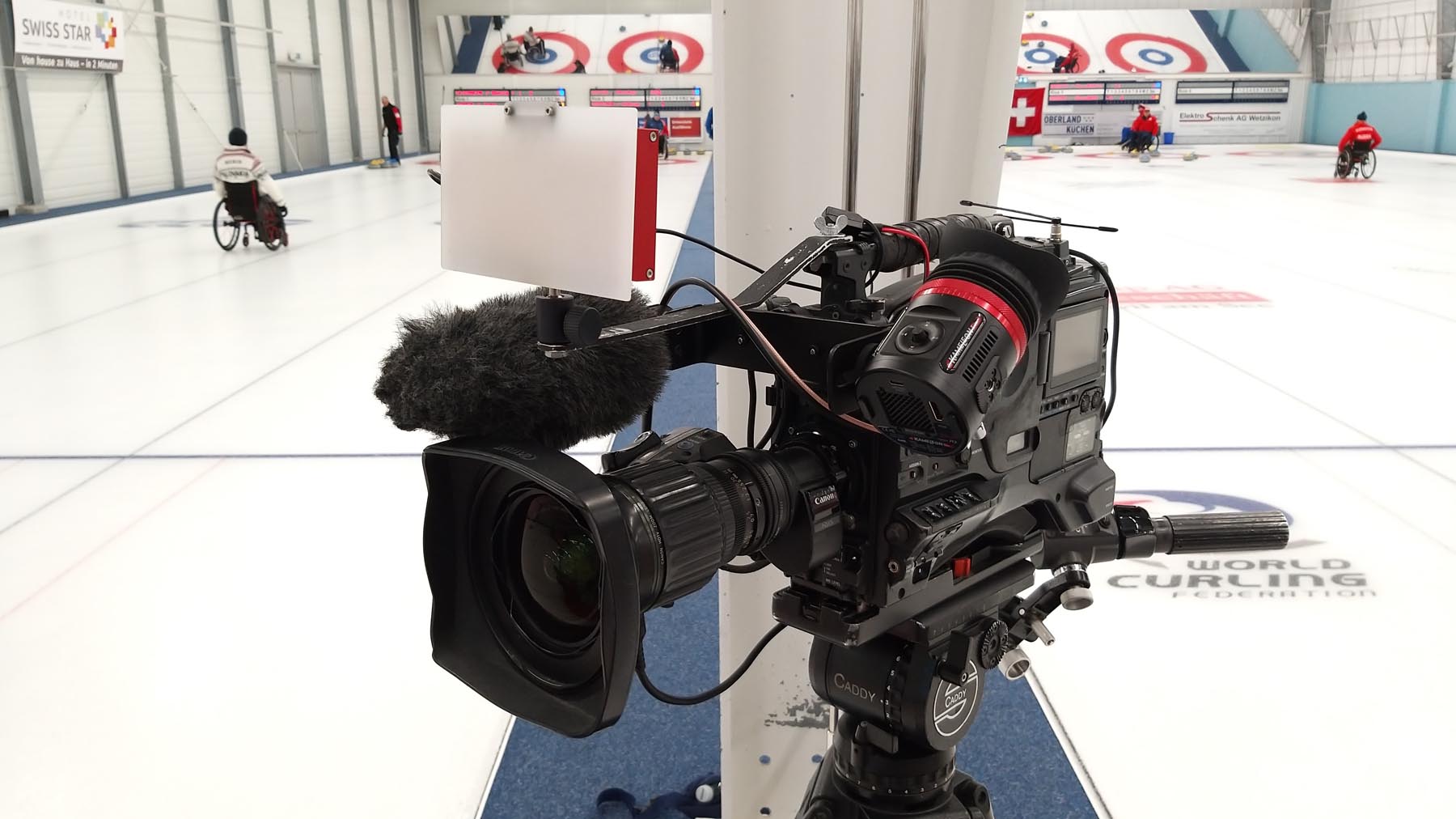


Nutzen Sie die Suche auf cinematographers.ch, um Kameraprofis nach Produktionsart, Erfahrung, Rolle, Sprache, Standort oder technischer Spezialisierung zu finden. Geeignete Profile können anschließend direkt kontaktiert werden.